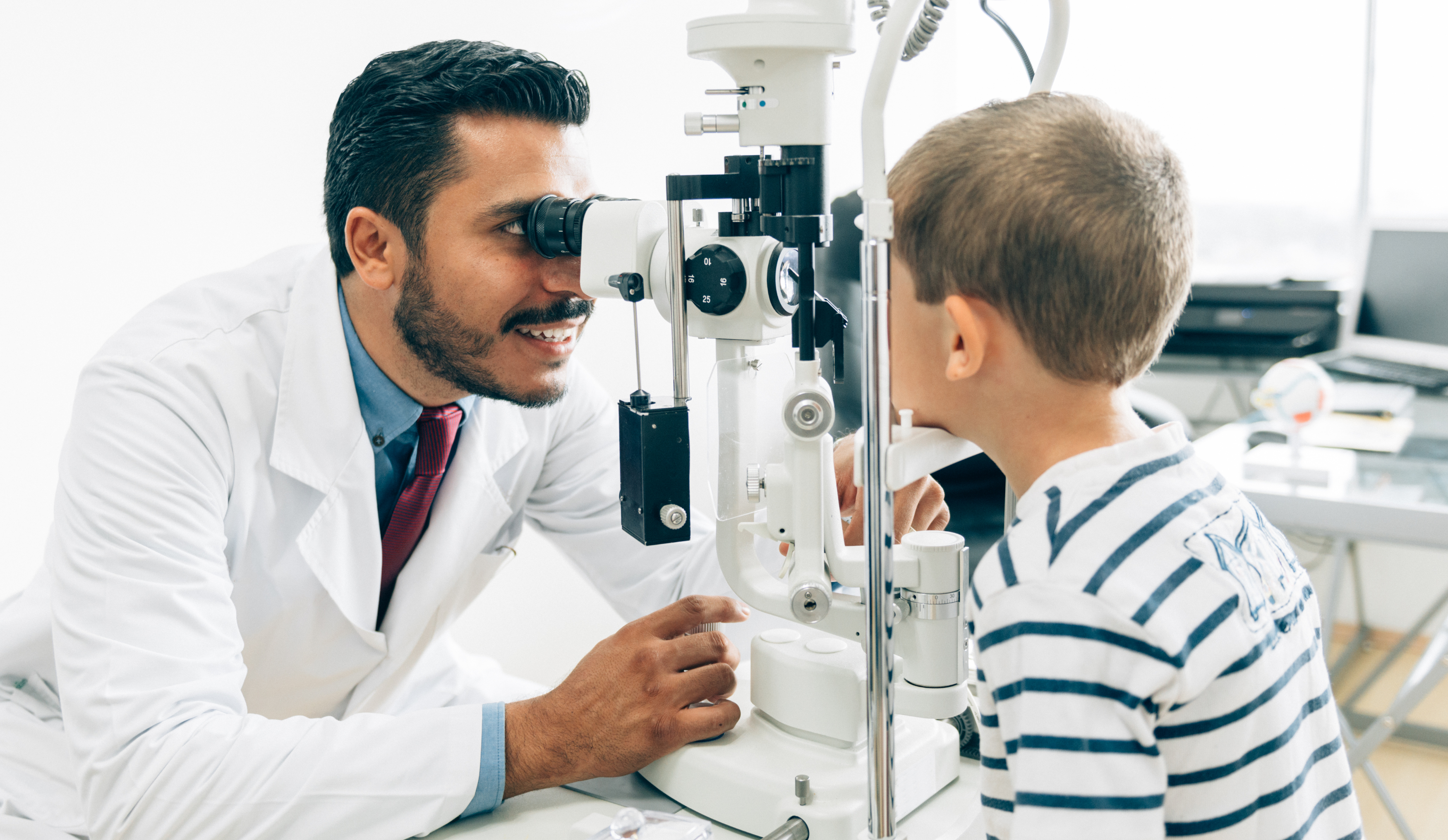
It's easy to put off an eye exam.
Your vision may seem fine, or perhaps you've been meaning to schedule an appointment but keep pushing it to the bottom of your to-do list. Many vision changes happen gradually, making them easy to miss until they begin affecting everyday activities.
That's one reason routine eye exams are so important. They can help identify vision problems early and, in some cases, uncover other health concerns before symptoms become more noticeable.
Vision Changes Often Happen Gradually
As we age, changes in our eyesight are common. You may find yourself holding reading materials farther away, struggling to see clearly at night, or experiencing more eye strain after spending time on a computer or mobile device.
These changes don't always happen overnight, which is why many people adapt to them without realizing how much their vision has changed. If you've noticed blurry vision, frequent headaches, increased sensitivity to light, or difficulty focusing, it may be time to schedule an eye exam.
Eye Exams Can Reveal More Than Vision Problems
Most people think of an eye exam as a way to determine whether they need glasses or a new prescription. While that's certainly important, routine eye exams can also provide valuable insight into your overall health.
Certain eye conditions, including cataracts, glaucoma, and age-related macular degeneration, can often be detected during a comprehensive exam. Eye doctors may also identify signs associated with health conditions such as diabetes and high blood pressure.
Finding these issues early may lead to more treatment options and better long-term outcomes.
Our Eyes Work Hard Every Day
From scrolling on our phones and working on computers to reading, driving, and watching television, our eyes rarely get much of a break.
It's no surprise that many people experience symptoms such as dry eyes, eye fatigue, headaches, and occasional blurred vision after extended screen time. While these issues may seem minor, routine eye care can help you better understand what's causing them and what steps you can take to improve your comfort.
Don't Wait for a Problem
One of the biggest misconceptions about eye health is that you only need an exam when something feels wrong.
In reality, regular eye exams are an important part of preventive healthcare. They help establish a baseline for your vision, track changes over time, and identify potential concerns before they become more serious.
Don't Overlook Vision Coverage
Many people focus on medical coverage but don't think about vision benefits until they need new glasses or experience a problem.
Regular eye exams, prescription eyewear, and preventative vision care can all play an important role in maintaining your overall health and quality of life. Check out the vision options offered through GEA: GEA Dental & Vision Insurance
The Bottom Line
Good vision affects nearly every part of daily life. Whether you're reading a book, driving to work, spending time with family, or enjoying your favorite hobbies, healthy eyesight matters.
If it's been a while since your last eye exam, consider scheduling one. A simple appointment today could help protect your vision and support your long-term health for years to come.